Lactate and Fatigue?
One of the most common misconceptions among athletes is that lactate is the enemy and causes fatigue — but this is simply not true.
Lactate is a marker of what can cause fatigue, but lactate itself does not cause fatigue. It is not even a 'waste product' — it is FUEL!
Lactate and Acidity
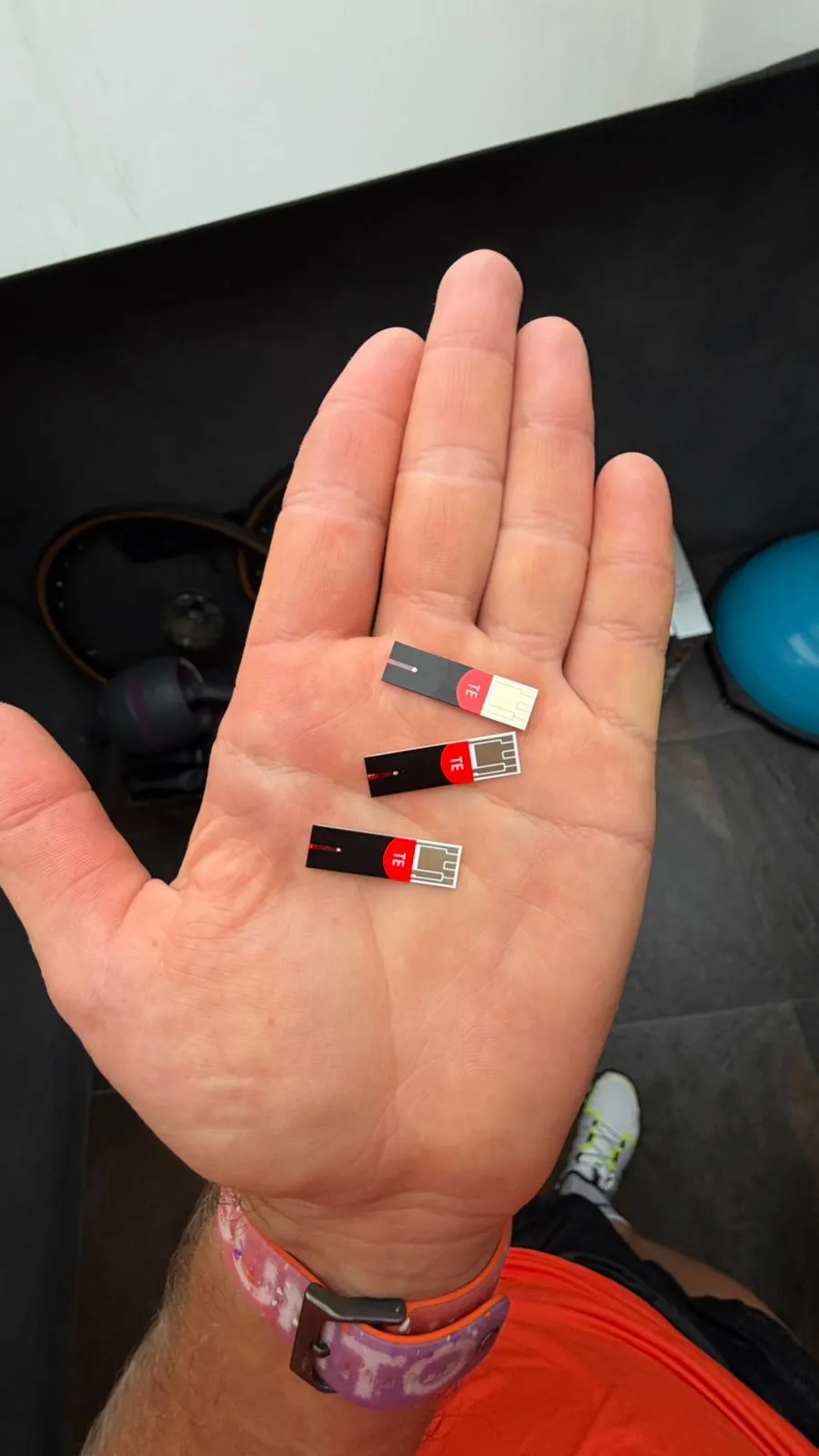
Lactate itself is not harmful to the body, but its excessive production leads to a decrease in pH. This acidic environment negatively affects performance and recovery processes after exercise. This is precisely why we measure lactate — to find the balance where we can do more and train harder, but without the severe negative consequences that affect recovery and further growth.
Lactate as an Energy Source
As exercise intensity increases, athletes begin to use more carbohydrates as an energy source. As a result, more lactate is produced. Approximately 30% of all glucose used during exercise comes from the 'recycling' of lactate back into glucose.
During high-intensity exercise, lactate concentration is high and athletes feel fatigued — this is one of the reasons people have come to believe that lactate is a by-product that causes fatigue. However, there is no causal relationship between lactate and fatigue. During intense exercise, lactate production is many times higher than at rest.
The Role of Glycolysis and ATP
As more and more ATP (adenosine triphosphate — the body's energy currency) is required to meet the demands of increasing workload, the contribution of the glycolytic anaerobic system also increases. The end product of the glycolytic anaerobic system is pyruvate, which is either oxidized in the mitochondria or converted into lactate.
The higher the glucose flux into the cell, the higher the lactate production, regardless of oxygen availability. During high-intensity exercise, type II muscle fibers are fully activated due to the high contractile demands of skeletal muscles for energy production (ATP). Type II muscle fibers preferentially use glucose, resulting in the production of large amounts of lactate.
Hydrogen Ions and Muscle Fatigue
The release of hydrogen ions (H⁺) associated with lactate can lead to a significant decrease in pH of the contracting muscles, resulting in acidosis. This excessive accumulation of H⁺ — not only from lactate but also from ATP breakdown during muscle contraction — can interfere with muscle contraction at various points.
For example, H⁺ can compete with calcium (Ca²⁺) for the binding site on troponin C — a protein involved in the regulation of muscle contraction.
H⁺ can also inhibit the release of calcium. Both processes are involved in muscle contraction. All of this can lead to a significant reduction in muscle performance.